Maximizing Creative Projects with Versatile School Book Clip Art and Digital Cut Files
In the evolving landscape of digital crafting and educational design, the demand for high-quality, versatile visual assets has never been higher. Among the most sought-after resources is School Book Clip Art, a category that bridges the gap between traditional educational imagery and modern digital fabrication. Whether you are a teacher creating engaging classroom materials, a small business owner designing merchandise, or a hobbyist working on personal scrapbooking projects, understanding the nuances of these digital files is essential for achieving professional results.
This article explores the practical applications of school-themed book icons, the technical differences between file formats like SVG, PNG, and EPS, and how to determine if this specific type of clip art aligns with your creative needs. By evaluating the strengths and limitations of these resources, you can make informed decisions that save time and enhance the quality of your final products.
Understanding the Scope of School Book Clip Art
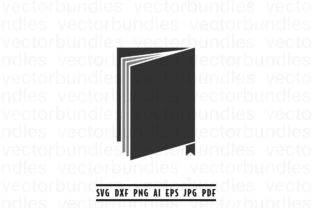
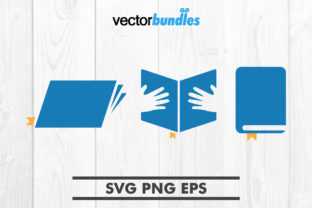
At its core, School Book Clip Art refers to digital illustrations depicting books, often stylized to represent education, learning, literacy, and academic achievement. Unlike generic stock photography, these assets are typically vector-based or high-resolution raster images designed for flexibility. They serve as foundational elements in a wide array of designs, from simple classroom signs to complex layered cuts for vinyl decals.
What makes this category distinct is its dual functionality. On one hand, it serves an aesthetic purpose, adding a thematic touch to invitations, cards, and printable decorations. On the other hand, it serves a functional purpose in educational settings, where clear, recognizable icons help communicate concepts quickly. The inclusion of terms like "cut file," "Cricut file," and "Silhouette file" in product descriptions highlights a critical shift in how these images are used. They are no longer just static pictures to be printed; they are instructions for machines to cut, draw, or print with precision.
The Importance of File Format Compatibility
When acquiring digital assets, the file format is arguably more important than the image itself. A typical download package for school book clip art will include a zip file containing multiple formats, each serving a specific purpose. Understanding these differences is crucial for workflow efficiency.
- SVG (Scalable Vector Graphics): This is the gold standard for cutting machines. SVG files are vector-based, meaning they use mathematical paths rather than pixels. This allows them to be scaled to any size without losing quality. For users of Cricut Design Space or Silhouette Designer Edition, SVG is the preferred format because it retains cut lines and layer information, enabling precise cutting of intricate details.
- PNG (Portable Network Graphics): PNG files are raster images with transparent backgrounds. They are ideal for digital design, web use, and sublimation printing where a cut line is not required. While they cannot be scaled infinitely without pixelation, high-resolution PNGs are perfect for printable decorations, invitation designs, and merchandise mockups.
- EPS (Encapsulated PostScript): This format is primarily used by professional graphic designers working with software like Adobe Illustrator, CorelDRAW, or Sketch. EPS files are also vector-based but offer broader compatibility with professional editing tools. If you plan to modify the anchor points of the book icon or integrate it into a larger vector composition, EPS is the necessary choice.
By receiving a bundle that includes SVG, PNG, and EPS, creators ensure they are prepared for any project type, whether it involves a home cutting machine or professional design software.
Evaluating Use Cases: From Classroom to Commerce
The versatility of School Book Clip Art allows it to transcend traditional educational boundaries. However, not every project requires the same level of detail or file type. Evaluating your specific use case helps determine how best to utilize these assets.
Educational and Classroom Applications
For teachers and educators, these icons are invaluable for creating visual aids. A simple book icon can be used to label reading corners, organize library bins, or create reward charts. The clarity of vector graphics ensures that even when printed on large posters, the edges remain crisp. Furthermore, the ability to customize colors in software like Silhouette Basic Edition allows educators to match school branding or classroom themes seamlessly.
Crafting and Scrapbooking
In the realm of personal crafting, school-themed clip art is popular for back-to-school scrapbook pages, teacher appreciation gifts, and student milestones. The transparent background of PNG files makes it easy to layer these images over photos or patterned paper without awkward white boxes. For those using cutting machines, the SVG format allows for the creation of intricate paper cuts or vinyl decals that can be applied to journals and planners.
Merchandise and Small Business Products
Entrepreneurs often leverage these designs for commercial products. T-shirt printing, mug sublimation, and tote bag designs frequently feature academic motifs. Here, the choice between SVG and PNG depends on the printing method. Vinyl cutting for t-shirts requires SVG files to generate the cut path, while direct-to-garment printing or sublimation may utilize high-resolution PNGs. It is vital to check licensing agreements when using these files for commercial merchandise to ensure compliance with usage rights.
Comparing Digital Clip Art with Alternative Resources
While School Book Clip Art offers significant advantages, it is important to compare it with other available resources to ensure it is the right fit for your project.
Vector Clip Art vs. Stock Photography: Stock photos provide realism but lack the stylistic flexibility of clip art. You cannot easily change the color of a book in a photograph, nor can you isolate specific elements without advanced editing skills. Vector clip art, however, allows for instant color changes, resizing, and manipulation, making it superior for graphic design tasks where consistency and branding are key.
Pre-made Cut Files vs. Custom Design: Creating custom vectors from scratch requires proficiency in software like Adobe Illustrator and a significant time investment. Purchasing pre-made SVG and EPS files offers a cost-effective alternative, providing professional-quality designs at a fraction of the time. However, the tradeoff is limited uniqueness; since these files are available to others, your design may not be entirely one-of-a-kind unless significantly modified.
Raster Images vs. Vector Files: For web-only use, raster images (JPEGs) may suffice. However, for any physical production involving cutting or large-format printing, raster images fall short due to resolution limits. Vector files included in school book clip art packages eliminate this risk, ensuring scalability and precision.
Decision Factors: When to Choose This Resource
Choosing the right digital asset depends on several practical factors. Consider the following when evaluating whether School Book Clip Art is the appropriate solution for your needs:
- Equipment Availability: If you own a cutting machine like a Cricut or Silhouette, prioritize packages that explicitly include SVG files. Without vector capabilities, you lose the primary benefit of these devices.
- Technical Skill Level: If you are comfortable with professional design software, EPS files offer the most control. If you prefer drag-and-drop simplicity in apps like Cricut Design Space, SVG and PNG files are more user-friendly.
- Project Scale: For small, one-off projects like a single invitation, a PNG may be sufficient. For recurring use across various mediums—such as signage, apparel, and digital media—a multi-format bundle provides long-term value.
- Licensing Requirements: Always verify the usage rights. While many clip art packages allow for commercial use on physical products like mugs and t-shirts, some may restrict digital resale or mass production. Ensure the license aligns with your intended application.
Practical Tips for Implementation
To maximize the utility of your downloaded files, consider these best practices. First, always unzip the file immediately and organize the formats into separate folders. This prevents confusion when importing into different software. Second, when using SVG files in cutting software, check the layer structure. Complex designs may have multiple layers that need to be welded or grouped depending on the material being cut. Third, for PNG usage, ensure the resolution is at least 300 DPI for print purposes to avoid blurriness.
In conclusion, School Book Clip Art represents a versatile and efficient resource for a wide range of creative and educational projects. By understanding the technical distinctions between SVG, PNG, and EPS formats, and by carefully considering your specific use cases, you can leverage these assets to produce high-quality, professional results. Whether you are designing a classroom sign or launching a line of educational merchandise, these digital tools provide the flexibility and precision needed to bring your ideas to life.