The Glass of the Research with Eye Design
Embroidery is more than just stitching thread into fabric; it is a medium for storytelling and visual expression. When you encounter a design like The Glass of the Research with Eye, you are looking at a piece that blends scientific curiosity with artistic symbolism. This specific applique design offers a unique aesthetic that appeals to creators who want to move beyond standard floral or geometric patterns. Whether you are a hobbyist looking to personalize a tote bag or a small business owner creating niche merchandise, understanding how to effectively use this design can elevate your craft.
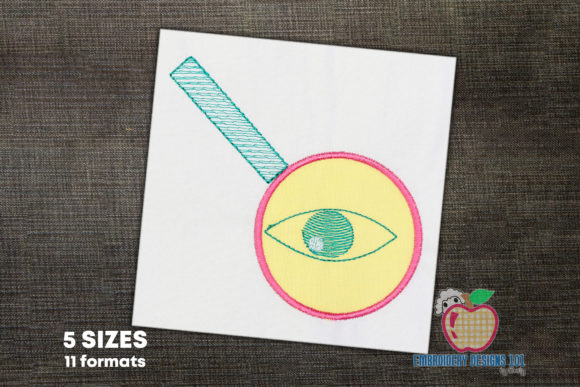
The core appeal of The Glass of the Research with Eye Applique Design lies in its intricate balance of detail and simplicity. The imagery suggests observation, discovery, and intellect, making it a powerful motif for educational institutions, science enthusiasts, or anyone who appreciates vintage laboratory aesthetics. However, the beauty of the design is only half the equation. The technical execution is equally important, especially when working with machine embroidery files that require precise handling.
Understanding the Design Structure
Before loading your hoop, it is essential to understand what makes this file unique. This is an applique design, which means it involves placing a piece of fabric onto the base material and stitching around it. This technique reduces stitch count, prevents puckering on large areas, and adds a textured, professional finish. The "eye" element within the glass adds a focal point that draws attention, requiring careful alignment during the stitching process.
One of the most critical aspects of this digital product is its compatibility. The design comes with multiple embroidery file formats, ensuring it can be used in various machines regardless of the brand. Whether you own a Brother, Janome, Husqvarna, or Bernina, there is likely a compatible file included in the package. This versatility removes the barrier of entry for many users who might otherwise struggle with format conversion software.
Technical Guidelines for Best Results
To achieve the highest quality output, you must adhere to specific technical instructions provided with the design. The steps in this embroidery pattern are separated by color changes. This is a deliberate choice by the designer to ensure clean transitions between the different elements of the glass, the eye, and the background applique fabric.
Important: Please do not color sort or combine colors. Modern embroidery software often offers features to optimize stitch paths by grouping similar colors together. While this saves time, it can ruin the structural integrity of an applique design. The sequence of stitches is calculated to secure the applique fabric before adding detailed topstitching. If you rearrange the order, you risk stitching details before the base fabric is properly anchored, leading to misalignment or thread breaks.
If you are using a multi-needle machine, please set it to stop for color changes. Even though your machine has multiple needles, forcing it to run through all colors automatically can bypass necessary pauses where you need to trim threads, change the presser foot, or position the applique fabric. Treating each color change as a manual step ensures you maintain control over the tension and placement throughout the process.
Creative Applications and Use Cases
The versatility of The Glass of the Research with Eye allows it to fit into numerous contexts. Here are several practical ways to incorporate this design into your projects:
- Educational Merchandise: Schools, universities, and science clubs can use this design on lab coats, backpacks, or notebook covers. It serves as a proud emblem for students and educators in STEM fields.
- Professional Branding: For optometrists, researchers, or laboratory services, this design can be embroidered on uniform polos or caps. It conveys precision and attention to detail, qualities highly valued in these professions.
- Home Decor: Consider stitching this onto throw pillows or wall hangings for a study or home office. The intellectual theme complements spaces dedicated to reading, writing, or work.
- Fashion Statements: Apply the design to denim jackets or canvas totes. The vintage scientific vibe pairs well with modern streetwear, offering a unique conversation starter.
For beginners, starting with a small project like a coaster or a patch is advisable. This allows you to practice the applique technique—cutting the fabric close to the stitch line without cutting the stitches themselves—on a manageable scale. Once you are comfortable with the workflow, you can scale up to larger items like bags or garments.
Material Selection and Preparation
The success of an applique design depends heavily on your choice of materials. Since The Glass Of The Research With Eye Applique Design involves layering, selecting the right stabilizer is crucial. A cut-away stabilizer is generally recommended for stretchy fabrics like t-shirts, while a tear-away stabilizer works well for woven fabrics like cotton or linen.
When choosing the fabric for the applique portion, consider contrast. If the glass outline is dark, use a lighter fabric for the fill to make the eye detail pop. Conversely, a dark applique fabric can create a silhouette effect if the surrounding stitches are light. Ensure the applique fabric is pressed flat before hooping to avoid wrinkles that could distort the final image.
Common Challenges and Solutions
Even experienced embroiderers can face challenges with complex designs. One common issue with eye motifs is maintaining symmetry. Take your time during the placement phase. Use water-soluble markers or temporary spray adhesive to hold the applique fabric in place precisely before the tack-down stitch begins.
Another consideration is thread weight. Using a standard 40wt rayon or polyester thread is usually safe, but if you want the outlines to stand out more, consider using a slightly heavier thread for the border stitches. Always test your tension on a scrap piece of fabric with the same layers as your final project. This simple step can save you from unraveling hours of work due to loose loops or bird nests.
By respecting the design’s structure and following the specific instructions regarding color changes and machine settings, you ensure that The Glass of the Research with Eye translates from a digital file into a stunning physical artifact. It is a design that rewards patience and precision, offering a sophisticated result that stands out in any collection.