Visualizing Digital Education
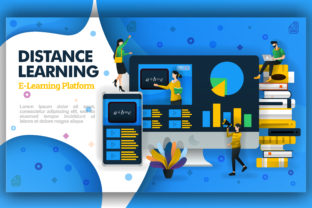
In an era where physical classrooms are increasingly supplemented by digital interfaces, the visual representation of education has never been more critical. A high-quality Vector of Internet Distance Learning serves as more than just a decorative element; it is a foundational asset for communicating complex educational concepts with clarity and modern aesthetics. For designers, marketers, and educators, leveraging scalable vector graphics ensures that messaging remains crisp across every device, from mobile screens to large presentation displays.
The Strategic Value of Vector Graphics in EdTech
When developing materials for internet-based school education and learning videos, scalability is non-negotiable. Unlike raster images, vectors maintain their integrity regardless of size, making them ideal for responsive web design and UI design. This technical advantage allows creative teams to build a cohesive brand identity that looks professional whether viewed on a smartphone or a 4K monitor. The clean lines and geometric precision inherent in vector art also contribute to a sense of order and reliability, which is essential when establishing trust in public schools and open learning platforms.
Integrating a vector distance learning technology illustration into your creative workflow enhances visual hierarchy. By using simplified icons and abstract representations of connectivity, you can guide the viewer’s eye through complex information without overwhelming them. This approach supports better UX design, ensuring that students and parents can navigate educational portals with ease and confidence.
Practical Applications Across Design Disciplines
The versatility of these assets extends far beyond simple website banners. Here is how you can effectively deploy these visuals across various creative projects:
- Branding and Logo Design: Use minimalist vector shapes to create memorable logos that symbolize connectivity and growth, reinforcing your brand identity in a crowded market.
- Social Media Graphics: Adaptable vectors allow for rapid content creation, enabling consistent posting schedules for digital marketing campaigns without sacrificing quality.
- Editorial Design: Incorporate subtle background patterns or illustrative headers in e-books and PDFs to break up text and improve readability.
- Packaging Design: For physical educational kits or merchandise, vector files ensure sharp printing results, maintaining a premium look and feel.
- Presentation Decks: Enhance professional presentations with custom icons that explain technological processes clearly, aiding in stakeholder buy-in.
Optimizing Visual Communication for Learning
Effective graphic design in the education sector requires a delicate balance between engagement and functionality. When selecting design elements, prioritize clarity over complexity. A cluttered interface can hinder the learning process, whereas a clean, well-structured layout facilitates focus. Consider how typography interacts with your vector illustrations. Pairing sans-serif fonts with modern, flat-design icons creates a contemporary aesthetic that resonates with digital-native audiences.
Color palette selection also plays a pivotal role. Blues and greens often evoke feelings of trust, calm, and growth, making them suitable choices for educational platforms. However, do not shy away from accent colors to highlight key actions or important information. Consistency in color usage strengthens brand recognition and helps users intuitively understand the interface.
Tips for Seamless Integration
To maximize the impact of your Vector of Internet Distance Learning assets, keep the following best practices in mind:
- Maintain Consistency: Ensure that line weights, corner radii, and stylistic details match across all icons and illustrations to create a unified visual language.
- Prioritize Accessibility: Check contrast ratios between your vector elements and backgrounds to ensure content is accessible to users with visual impairments.
- Optimize File Sizes: While vectors are lightweight, unnecessary anchor points can bloat files. Clean up your paths to improve loading times for web design applications.
- Test Across Devices: Always preview your designs on multiple screen sizes to verify that the visual hierarchy remains intact and legible.
Ultimately, the goal of incorporating high-quality vector assets is to enhance the user experience while supporting the core mission of education. Whether you are working on social media graphics, UI components, or comprehensive advertising campaigns, thoughtful design choices elevate the perceived value of your content. By focusing on professional presentation and modern aesthetics, you create an environment where learning feels intuitive, engaging, and accessible to all.
Investing in superior creative assets is not merely about visual appeal; it is about effective communication. When your design workflow prioritizes clarity, scalability, and brand alignment, you empower educators and learners alike to focus on what truly matters: the acquisition of knowledge. Let your visuals speak the language of innovation, ensuring that every interaction with your brand reinforces a commitment to quality and excellence in distance learning technology.