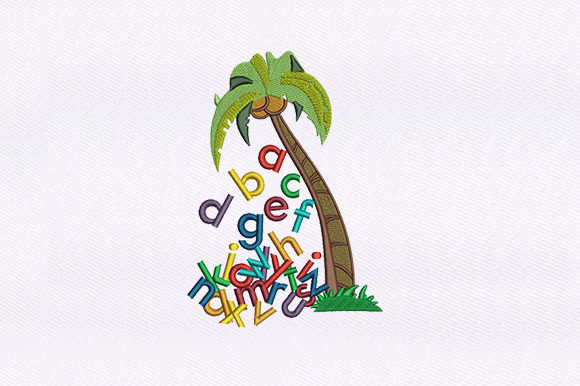
Letters Fruiting Tree Design Guide
The intersection of typography and nature offers a unique aesthetic that resonates with many creative projects. A Letters Fruiting Tree Design combines the structural elegance of lettering with the organic, flowing lines of branches, leaves, and fruit. This specific motif is not just decorative; it serves as a powerful visual metaphor for growth, abundance, and rootedness. For machine embroiderers, translating this intricate concept into thread requires careful attention to digitizing quality and file compatibility. Whether you are stitching a monogram for a baby shower or creating branded merchandise for an eco-conscious business, understanding how this design functions across different formats is essential for achieving professional results.
Understanding the Aesthetic and Technical Balance
At its core, this design type merges two distinct visual languages. The "letters" component provides readability and personalization, while the "fruiting tree" element adds texture and symbolic depth. The challenge lies in maintaining legibility without sacrificing the delicate details of the foliage and fruit. In machine embroidery, this balance is critical. Too much density in the leaves can cause puckering, while insufficient underlay in the letters may lead to poor coverage on stretchy fabrics.
For beginners, the primary concern is often ease of use. A well-digitized Letters Fruiting Tree Design should run smoothly without frequent thread breaks or needle jumps. Beginners benefit from designs that have been tested for stability, ensuring that the complex interplay between text and image does not result in a tangled mess on the hoop. Conversely, professionals look for flexibility. They need files that allow for resizing without losing stitch integrity, enabling them to adapt the same design for a small pocket logo or a large back-piece jacket emblem.
Why File Formats Matter for Your Project
One of the most technical yet crucial aspects of working with embroidery designs is understanding file extensions. Unlike standard images, embroidery files contain specific instructions for the machine, including stitch types, colors, and trim commands. A high-quality Letters Fruiting Tree Design will be available in multiple formats to ensure compatibility with various machine brands.
Common formats include:
- DST: A universal industry standard compatible with most commercial machines.
- PES: Widely used by Brother and Baby Lock home machines.
- JEF: The native format for Janome machines.
- EXP: Often used by Melco and Bernina systems.
- VIP and VP3: Specific to Husqvarna Viking and Pfaff models.
- HUS: An older format for some Husqvarna machines.
- XXX: Commonly associated with Singer machines.
- ART, CND, DSB, DSZ, TAP, PEC, 10O: Additional proprietary or specialized formats that ensure broader hardware support.
Having access to this wide array of formats means you are not locked into a single ecosystem. For freelancers who work with diverse clients, possessing the correct file type is a mark of professionalism. It eliminates the need for risky conversions, which can sometimes distort stitch paths or alter the design’s proportions. When downloading a Letters Fruiting Tree Design, always verify that the package includes the specific extension your machine requires to avoid last-minute frustrations.
Perspectives from Different Creators
The value of this design varies significantly depending on your role in the creative process. Here is how different groups might evaluate and utilize this motif.
Small Business Owners and Entrepreneurs
For those running a print-on-demand or custom embroidery shop, the commercial appeal of a Letters Fruiting Tree Design is high. It appeals to customers looking for personalized gifts that feel organic and warm. Entrepreneurs prioritize speed and reliability. They need a design that stitches out quickly to maximize production throughput while maintaining a premium look. The ability to offer this design in various colorways—such as autumnal oranges for fall collections or fresh greens for spring—adds versatility to their product line.
Educators and Hobbyists
Teachers and lifelong learners often use such designs to teach advanced techniques. The combination of satin stitches for letters and fill stitches for leaves provides an excellent practical lesson in stitch density and direction. Hobbyists appreciate the artistic satisfaction of watching the tree "grow" on the fabric. For this group, the learning value and the joy of creation outweigh pure efficiency. They may experiment with different thread textures, using metallic threads for the fruit or variegated threads for the leaves to add depth.
Marketers and Bloggers
Content creators and marketers might use this design as a visual asset for branding materials. A stylized tree with integrated typography can serve as a logo or a social media graphic element when digitized correctly. For bloggers focusing on sustainability or wellness, the imagery aligns perfectly with themes of natural living. They value the aesthetic consistency and the story the design tells, rather than the technical stitching process itself.
Practical Tips for Successful Stitching
To get the best results from your Letters Fruiting Tree Design, consider these practical steps regardless of your skill level:
- Stabilize Appropriately: Because trees involve detailed fills, use a cut-away stabilizer for knit fabrics to prevent distortion. For woven fabrics, a tear-away may suffice if the design is not too dense.
- Check Hoop Size: Ensure your hoop is large enough to accommodate the full spread of the branches. Crowding the design near the edge can lead to misalignment.
- Thread Quality: Use high-quality rayon or polyester threads. The fruit elements often require vibrant colors that cheap threads may not deliver effectively.
- Test Stitch: Always run a test on a scrap piece of the same fabric. This allows you to adjust tension and check for any registration issues between the letters and the tree elements.
By understanding both the artistic intent and the technical requirements, you can leverage this design to create pieces that are not only visually striking but also technically sound. Whether you are a novice looking to expand your portfolio or a seasoned pro seeking reliable assets, the Letters Fruiting Tree Design offers a versatile canvas for creativity.
Making the Right Choice for Your Needs
Ultimately, selecting the right embroidery design is about matching the asset to your specific goals. If you prioritize speed, look for designs with optimized stitch counts. If quality is paramount, examine close-up photos of the stitched output to check for smooth curves and clean letter edges. For those focused on creativity, consider how the design can be modified or combined with other elements.
Remember that the availability of multiple file formats like DST, PES, and JEF ensures that you can integrate this design into almost any workflow. By taking the time to understand the nuances of the Letters Fruiting Tree Design, you empower yourself to produce work that stands out in a crowded market. It is a blend of nature’s beauty and human expression, stitched together with precision and care.