Stitching the Supernatural: Mastering Ouija Board Text Design in Machine Embroidery
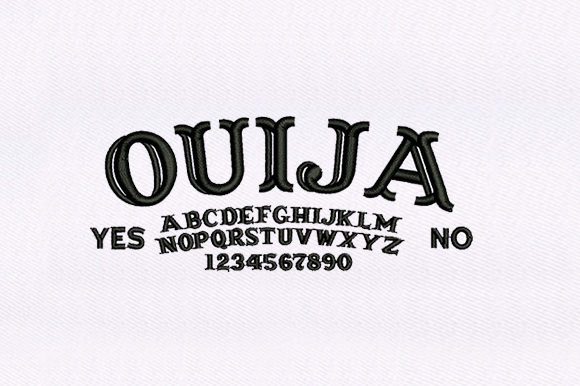
The allure of the mystical has never truly faded from popular culture, but its expression in modern crafting has evolved significantly. Among the most intriguing niches in contemporary textile art is the Ouija Board Text Design. This aesthetic combines vintage typography, spiritual symbolism, and gothic elegance to create pieces that are both conversation starters and artistic statements. For machine embroidery enthusiasts, designers, and small business owners, understanding how to translate this specific visual language into stitch files is a valuable skill. It requires more than just selecting a spooky font; it demands a deep understanding of how text behaves under the needle and how different file formats impact the final product.
In recent years, we have seen a surge in demand for personalized, meaning-laden home decor. Consumers are moving away from mass-produced items toward pieces that reflect individual identity and interests. The Ouija board, often misunderstood as merely a game, represents a rich visual history of Victorian spiritualism and graphic design. When adapted for embroidery, these designs offer a unique blend of nostalgia and modern edge. However, executing them successfully requires navigating the technical complexities of digitizing and file compatibility.
The Evolution of Mystical Aesthetics in Textile Art
The interest in occult-inspired design is not new, but its integration into everyday fashion and home goods has matured. Previously, such motifs were often limited to screen-printed t-shirts or cheap novelty items. Today, there is a marked shift toward high-quality, textured applications like embroidery. The tactile nature of thread adds depth and permanence to the ethereal subject matter, creating a compelling contrast. This trend aligns with broader lifestyle shifts where consumers value craftsmanship and durability.
For creators, this means that an Ouija Board Text Design is no longer just a graphic overlay. It is a structural element of the garment or fabric item. The letters must be legible, the spacing precise, and the density appropriate for the base material. As digital marketplaces grow, buyers are becoming more sophisticated. They look for clean finishes, minimal jump stitches, and designs that hold up after washing. This raises the bar for digitizers, who must ensure that their artistic vision translates seamlessly into machine code.
Navigating the Landscape of Embroidery File Formats
One of the most critical aspects of selling or using embroidery designs is understanding file compatibility. Unlike standard image files like JPEG or PNG, embroidery files contain specific instructions for the machine, including stitch type, direction, density, and color changes. A single design must be available in multiple formats to reach the widest audience. When offering an Ouija Board Text Design, providing a comprehensive suite of formats is essential for professional credibility and user satisfaction.
The industry standard includes a wide array of extensions, each tailored to specific machine brands or software ecosystems. Here is a breakdown of the key formats you should consider:
- DST: Perhaps the most universal format, compatible with almost all commercial and many home machines. It is a staple for any professional designer.
- PES: The native format for Brother and Baby Lock machines, which are extremely popular among hobbyists and small businesses.
- JEF: Used primarily by Janome machines, this format is crucial for reaching users of this brand.
- VIP and VP3: These are associated with Husqvarna Viking and Pfaff machines, representing a significant segment of the high-end home embroidery market.
- EXP: Commonly used by Melco and Bernina machines, ensuring compatibility with older and specialized industrial units.
- HUS: An older format for Husqvarna, still relevant for users with legacy machines.
- XXX: The standard format for Singer machines, another common brand in the consumer space.
- PCS and PEC: Often used together for Brother machines, with PEC containing the preview image and PCS containing the stitch data.
- ART: Specific to Bernina ArtLink software, important for users who rely on this ecosystem.
- DSB and DSZ: Less common but still required for certain Barudan and other industrial machines.
- TAP: Used by Tajima machines, widely respected in commercial embroidery shops.
- 10O: A format for older Melco machines, niche but necessary for complete compatibility coverage.
Providing this extensive list ensures that whether your customer is a home hobbyist with a Brother machine or a commercial shop running Tajimas, they can use your design without conversion issues. Conversion can often lead to lost data, distorted shapes, or poor stitch quality, so offering native formats is a best practice.
Design Considerations for Text-Based Embroidery
Creating an effective Ouija Board Text Design involves more than choosing a creepy font. The mechanics of embroidery impose strict limitations on text size and complexity. Thin serifs and intricate details can easily get lost or cause thread breaks. Therefore, designers must adapt traditional print typography for stitch execution.
First, consider the scale. Small text below a certain height may become illegible once stitched. It is advisable to test designs at various sizes to determine the minimum viable dimensions. Second, pay attention to letter spacing. In embroidery, threads have thickness, and letters that are too close together may merge, creating a blob rather than distinct characters. Adequate kerning is essential for clarity.
Third, think about stitch types. Satin stitches are ideal for bold, thick letters, providing a smooth, shiny finish. However, for larger text, fill stitches may be more appropriate to prevent puckering and reduce thread consumption. A combination of both can add visual interest and texture to the design, mimicking the varied weights found in vintage Ouija boards.
Practical Applications and Market Opportunities
The versatility of these designs opens up numerous avenues for monetization and creative expression. Beyond the obvious application on t-shirts and hoodies, consider home decor items like throw pillows, wall hangings, and tote bags. The gothic aesthetic pairs well with dark fabrics like black velvet or deep navy cotton, enhancing the mysterious vibe of the text.
For educators and workshop leaders, teaching the digitization of complex text can be a valuable curriculum addition. It helps students understand the relationship between vector graphics and stitch paths. For marketers, leveraging the trending interest in spirituality and mindfulness can help position these products as tools for self-expression rather than just novelty items.
Business owners should also consider customization options. Allowing customers to add their own names or messages in the same Ouija-style font can increase perceived value and justify higher price points. This personalization trend is strong across all sectors of the craft market.
Best Practices for Digitizing and Distribution
To ensure high-quality results, always start with a clean vector file. Auto-digitizing features in software can be helpful for initial drafts, but manual editing is crucial for refining text designs. Pay close attention to pull compensation, which adjusts for the fabric being pulled by the needle. Without proper compensation, letters may appear narrower than intended.
When distributing your files, include clear instructions on recommended stabilizers and hoop sizes. Text designs, especially those with dense fills, benefit from cut-away stabilizers to maintain shape integrity. Providing a color chart or thread recommendation list can also enhance the user experience, reducing frustration and returns.
Finally, stay updated with software updates and machine capabilities. Newer machines handle complex stitches better, allowing for more intricate designs. However, maintaining backward compatibility through formats like DST and PES ensures your work remains accessible to a broader audience. By balancing artistic innovation with technical precision, you can create Ouija Board Text Design files that are both beautiful and functional, meeting the high expectations of today’s embroidery community.