Periodic Element 1 Hydrogen Applique: A Creative Fusion of Science and Stitching
In the vibrant world of digital embroidery, where creativity meets precision, niche designs often capture the imagination of hobbyists and professionals alike. One such design that stands out for its educational charm and aesthetic simplicity is the Periodic Element 1 Hydrogen Applique. This unique digitized pattern allows enthusiasts to showcase their passion for science through the medium of textile art. By combining the iconic structure of the periodic table with the tactile warmth of fabric appliqué, this design serves as a perfect bridge between academic interest and creative expression.
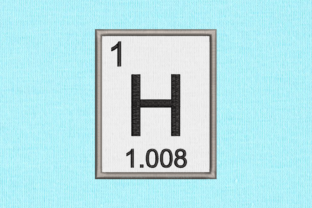
Showing off your love of science is elementary with this periodic table applique design. It is not merely a decorative element; it is a statement piece that resonates with students, teachers, scientists, and anyone who appreciates the fundamental building blocks of our universe. The design focuses specifically on element number 1, Hydrogen, encapsulating its essential data within a clean, structured rectangle that mimics the classic look of scientific charts.
Understanding the Design Features
The core appeal of the Periodic Element 1 Hydrogen Applique lies in its attention to detail and adherence to scientific accuracy. The design includes the element’s letter symbol, atomic number, and atomic mass units inside of an applique rectangle. This specific layout ensures that the final product is instantly recognizable to anyone familiar with chemistry, while remaining visually appealing to those who simply enjoy geometric and typographic design.
Unlike complex pictorial embroidery that may require thousands of stitches and hours of machine time, this appliqué approach is efficient and effective. The use of appliqué means that large areas of color are filled with actual fabric rather than dense stitching. This not only reduces the bulk on the garment but also provides a smooth, professional finish that is comfortable to wear. The text described if any is included in the design, ensuring that the integrity of the scientific data is maintained without unnecessary clutter or decorative flourishes that might distract from the primary message.
Technical Specifications and File Formats
For digital embroiderers, compatibility and flexibility are paramount. This design package is crafted to accommodate a wide range of machines and project sizes. Included in the zip file are 9 formats and 5 stitch sizes for 4 hoop sizes. This extensive variety ensures that whether you are working with a small home embroidery machine or a larger commercial unit, you will find a version of the Hydrogen appliqué that fits your needs.
The inclusion of multiple hoop sizes is particularly beneficial for creators who wish to scale their projects. You might choose a smaller version for a pocket accent on a lab coat or a larger version for the back of a hoodie or a tote bag. The versatility of the file formats means that users of major embroidery software brands can import the design directly without needing complex conversion tools, saving time and reducing the risk of digitizing errors.
Practical Application and Machine Settings
Executing the Periodic Element 1 Hydrogen Applique requires attention to the specific instructions provided by the designer. One of the most critical aspects of this design is how it handles color changes. The steps are separated by color changes, which is a standard practice in multi-color embroidery to ensure clean transitions between different elements of the design.
It is vital to follow the guideline: Please do not color sort or combine colors. Modern embroidery machines often feature automatic color sorting functions that rearrange the stitch order to minimize thread trims and color changes. However, for appliqué designs, this can be detrimental. The sequence of stitches is carefully programmed to lay down the placement line, secure the appliqué fabric, and then stitch the satin border and details. Disrupting this order by allowing the machine to auto-sort can lead to misaligned fabrics and ruined projects.
If you are using a multi-needle machine, please set it to stop for color changes. This manual intervention ensures that you have full control over the process. It allows you to check the tension, trim any loose threads, and position the appliqué fabric precisely before the machine continues. This level of control is essential for achieving the crisp, professional look that defines high-quality embroidery.
Ideal Uses and Target Audience
Who benefits most from this design? The audience is surprisingly broad. Educators can use the Periodic Element 1 Hydrogen Applique to create engaging classroom materials, such as decorated aprons for science labs or banners for science fairs. Students might appreciate having their favorite element embroidered on their backpacks or jackets, fostering a sense of identity and pride in their studies.
For business owners in the custom apparel industry, this design offers a unique selling point. Science-themed merchandise is a growing niche, appealing to STEM advocates, museum gift shops, and educational institutions. By offering customized periodic table elements, creators can allow customers to build sets or choose their "personal" element based on their birth date or name initials, adding a layer of personalization that drives sales.
Furthermore, this design is ideal for makers participating in craft fairs or online marketplaces. Its clean, modern aesthetic fits well with current trends in minimalist design. When applied to high-quality blanks like organic cotton t-shirts, canvas totes, or denim jackets, the Hydrogen appliqué elevates a simple item into a conversation starter.
Evaluating Suitability for Your Project
Before diving into production, it is wise to evaluate whether this design suits your specific project goals. Consider the fabric type. Appliqué works best on stable fabrics that can support the weight of the added material and the density of the satin stitches. Heavyweight cottons, denim, and fleece are excellent choices. Delicate or stretchy fabrics may require additional stabilizers to prevent puckering.
Also, consider the size relative to the placement area. While the design comes in five stitch sizes, always test stitch on a scrap piece of your chosen fabric. This practice run allows you to verify that the registration is accurate and that the appliqué fabric cuts cleanly if you are using a cut-file compatible machine, or that your manual cutting is precise.
Another consideration is the color contrast. Since the design relies on text and symbols inside a rectangle, ensure that the thread colors contrast sufficiently with both the appliqué fabric and the base garment. For example, white thread on a white appliqué patch will be invisible. Traditional black or dark blue threads on a light-colored appliqué background often yield the most readable and scientifically authentic result.
Strengths and Limitations
The primary strength of the Periodic Element 1 Hydrogen Applique is its clarity and educational value. It is instantly recognizable and carries a specific meaning that resonates with a knowledgeable audience. The appliqué technique also makes it faster to stitch than full-coverage embroidery, reducing wear on your machine and thread costs.
However, there are limitations. As an appliqué design, it requires more manual involvement than a standard stitch-only design. You must place the fabric, and potentially trim it, during the stitching process. This makes it less suitable for fully automated, unattended production runs unless you have advanced machinery with cameras and trimming capabilities. Additionally, the durability of the edges depends on the quality of the satin stitch border; poor tension can lead to fraying over time after repeated washes.
Conclusion
The Periodic Element 1 Hydrogen Applique is more than just a digital file; it is a tool for creative expression and scientific celebration. By understanding its technical requirements, respecting the color change instructions, and selecting appropriate materials, embroiderers can produce stunning results that honor the simplicity and importance of hydrogen. Whether for personal use, educational purposes, or commercial ventures, this design offers a unique way to stitch a love for science into everyday items. Embrace the precision of chemistry and the art of embroidery to create pieces that are truly elemental.