Stitching History: Mastering The Globe of World in Old Style Applique
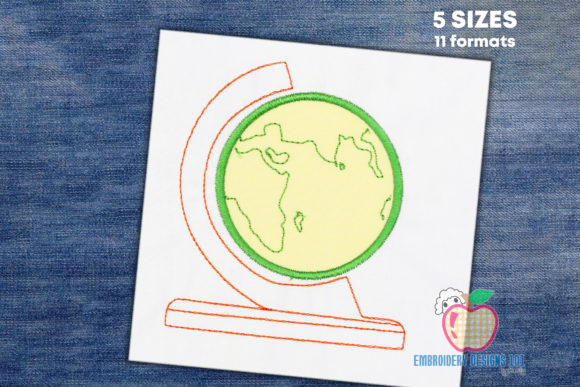
In the realm of machine embroidery, few motifs carry as much symbolic weight and aesthetic versatility as the globe. It represents connection, exploration, and a broader perspective. However, rendering this complex shape requires more than just standard satin stitches; it demands texture, depth, and a touch of vintage charm. This is where The Globe of World in Old Style Applique emerges as a standout choice for embroiderers looking to elevate their projects beyond basic digitization. By combining the structural integrity of applique with the nostalgic flair of old-world cartography, this design offers a unique blend of modern convenience and classic artistry.
For those unfamiliar with the nuances of high-quality digital patterns, understanding the specific workflow required for this design is crucial. Unlike simple fill-stitch designs that run continuously, this pattern relies on precise layering. The instruction to keep steps separated by color changes is not merely a suggestion—it is the backbone of the design’s success. When you choose to work with The Globe Of World In Old Style Applique Pattern, you are committing to a process that rewards patience with professional-grade results.
The Aesthetic Appeal of Vintage Cartography
Why opt for an "old style" look when modern, sleek graphics are readily available? The answer lies in texture and character. Modern vector graphics often feel sterile when translated into thread. An old-style globe, reminiscent of age-old atlases with their sepia tones, ornate borders, and intricate latitude lines, provides a richness that flat colors cannot achieve. The applique technique enhances this by introducing fabric texture into the mix. Instead of relying solely on thread density to create shading, the design uses cut fabric to form the base of the continents or the ocean, creating a tactile dimension that invites touch.
This aesthetic is particularly powerful in contemporary home decor and fashion. Imagine a canvas tote bag featuring a vintage globe, suggesting a love for travel and sustainability. Or consider a quilt block where The Globe of World in Old Style Applique serves as the centerpiece, surrounded by compass roses and nautical stars. The vintage vibe bridges the gap between traditional craftsmanship and modern global consciousness, making it relevant for a wide array of applications.
Navigating the Technical Requirements
One of the most critical aspects of working with this specific design is respecting its file structure. The pattern comes with multiple embroidery file formats, ensuring compatibility with a vast range of machines, from entry-level home models to industrial multi-needle units. However, versatility in format does not mean flexibility in execution. The designer has explicitly stated that steps are separated by color changes, and users must not color sort or combine colors.
It might be tempting to use your machine’s automatic color sorting feature to minimize thread trims and speed up the process. Resist this urge. Color sorting algorithms rearrange stitch blocks based on thread color rather than the logical construction of the design. In an applique pattern like this, the sequence is vital. The placement stitch must come first, followed by the tack-down stitch, then the cut, and finally the satin border. If the machine reorders these steps because two sections share the same thread color, the structural integrity of the applique will fail. The fabric may shift, the edges may fray, or the layers may misalign, ruining the crisp, vintage look you aim to achieve.
Managing Multi-Needle Machines
If you are using a multi-needle machine, the workflow requires additional attention. These machines are designed for efficiency, often skipping over stops to maintain momentum. For The Globe of World in Old Style Applique, you must set the machine to stop for every color change. This pause is not an inconvenience; it is a necessary interval for you to perform the physical tasks that the machine cannot do: positioning the applique fabric, trimming excess material, and ensuring the hoop remains tight.
By forcing the machine to stop, you regain control over the timeline. It allows you to inspect the placement stitch before committing to the cut. It gives you a moment to smooth out any wrinkles in the applique fabric. This manual intervention is what separates a hobbyist project from a professional finish. The design’s complexity demands this hands-on approach, ensuring that each continent and oceanic expanse is perfectly aligned with the underlying grid.
Material Selection for Authentic Texture
The success of an applique design is heavily dependent on the fabrics chosen. Since The Globe of World in Old Style Applique evokes a historical feel, your material choices should reflect that. Consider using linen or cotton blends for the base fabric, as they offer a natural, slightly rough texture that complements the vintage theme. For the applique pieces themselves, avoid shiny satins or synthetic blends that might look too modern. Instead, opt for matte cottons, felt, or even lightweight wool flannel.
Color palette is equally important. While a traditional blue-and-green globe is recognizable, an old-style interpretation benefits from muted, earthy tones. Think ochre for the landmasses, slate blue for the oceans, and cream or parchment for the background. These colors not only enhance the antique aesthetic but also hide minor imperfections better than bright, primary colors. If you are feeling adventurous, try using patterned fabrics for the continents, such as a subtle pinstripe or a tiny floral print, to add another layer of visual interest without overwhelming the design.
Practical Applications and Project Ideas
The versatility of this design allows it to fit seamlessly into various creative workflows. Here are several scenarios where The Globe of World in Old Style Applique can shine:
- Educational Materials: Create engaging wall hangings for classrooms or homeschooling environments. The tactile nature of applique makes geography more interactive for young learners.
- Travel Accessories: Embroider luggage tags, passport holders, or backpack patches. The durable nature of applique ensures the design withstands the rigors of travel while maintaining its stylish appearance.
- Corporate Branding: For companies with a global reach, this design offers a sophisticated alternative to standard logos. It conveys international presence with a touch of class and history.
- Quilting and Home Decor: Use the design as a focal point in throw pillows or table runners. The circular shape of the globe balances well with square or rectangular textile projects.
Each of these applications benefits from the design’s inherent stability. Because the bulk of the coverage is provided by fabric rather than dense stitching, the final product remains flexible and soft, unlike heavy satin-stitch designs that can stiffen the underlying material.
Troubleshooting Common Challenges
Even with careful preparation, challenges can arise. One common issue with globe designs is the distortion of circular shapes due to hoop tension. To mitigate this, ensure your stabilizer is appropriate for the fabric weight. A cut-away stabilizer is often recommended for applique to provide ongoing support, preventing the fabric from pulling away from the stitches over time.
Another potential pitfall is fraying at the edges of the applique. Since the design relies on a satin stitch border to encase the raw edges, ensure your stitch density is sufficient. If you notice gaps, consider adding a second layer of tack-down stitching or using a fusible web behind the applique fabric to hold it in place before stitching. Remember, the goal is a clean, sharp edge that mimics the precise lines of an engraved map.
Ultimately, The Globe of World in Old Style Applique is more than just a digital file; it is an invitation to engage with the craft of embroidery on a deeper level. By respecting the color change sequence, selecting appropriate materials, and embracing the manual aspects of the process, you can create pieces that are not only visually striking but also rich in texture and meaning. Whether you are a seasoned professional or an enthusiastic beginner, this design offers a rewarding challenge that results in a timeless piece of art.